Biggest Beef Farm in the World
The UK certainly has some world-grade farms operating on its shores, but when information technology comes to size, how do we measure upwards?
The boilerplate size of a UK holding is 81ha, which is significantly higher than much of the residual of Europe, including countries such as France and Deutschland, according to statistics gathered by the Eu. Defra statistics likewise bear witness if you take holdings with less than 20ha out of the equation, the average holding size in the UK rises to 142ha.
Merely the news that People's republic of china has begun piece of work on the construction of a 100,000-cow dairy unit to supply the Russian marketplace with milk and cheese has highlighted that in global terms our farms are even so relatively small.
Come across also: 10 weird and wonderful farming world records
But how does a subcontract similar that – which to UK minds is mindboggling – compare with businesses elsewhere in the world?
1. John Malone, United States
© David Rentas/Rex/Shutterstock
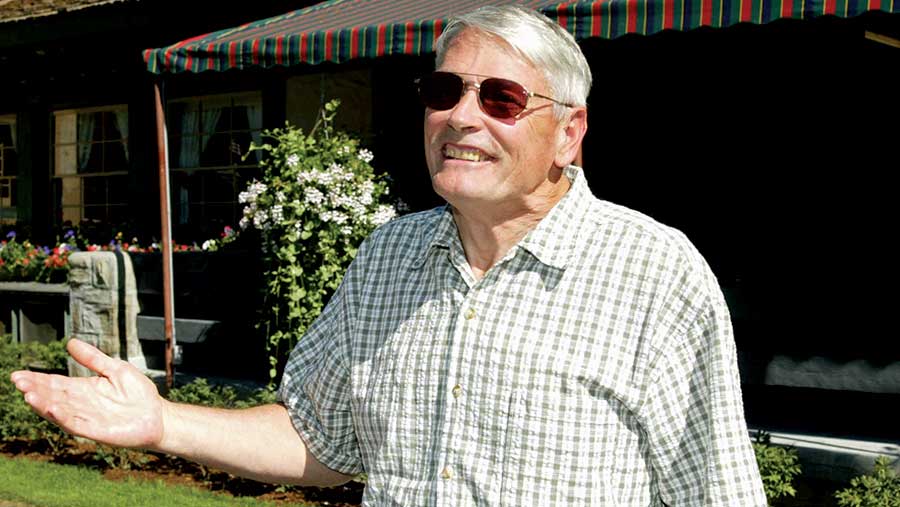
John Malone is a media mogul and billionaire who is regarded as being the biggest landowner in the US, with a total estate of more than 930,000ha.
Half of this footing is forestry and woodland, located in the Maine and New Hampshire areas, simply he too has farms and ranches beyond the country – the largest of which is based in New Mexico.
2. El Tejar, Brazil
© El Tejar
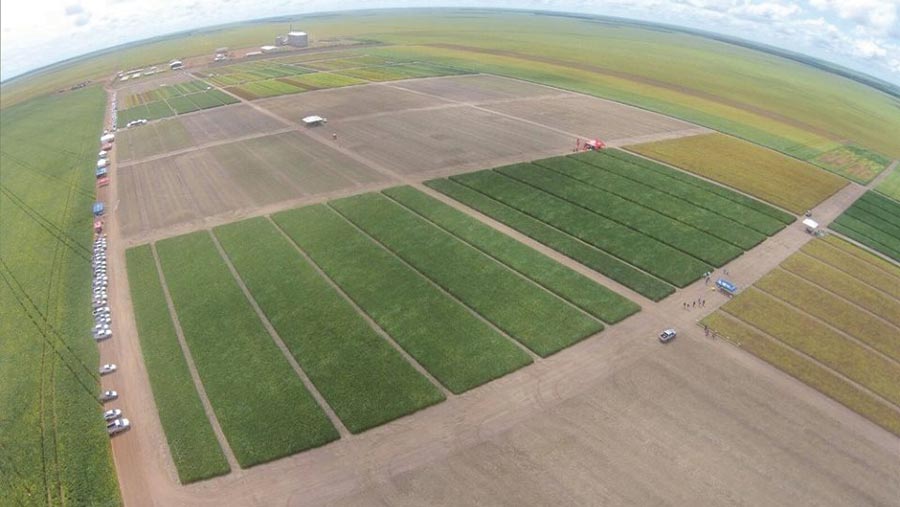
In 2011, El Tejar was widely billed every bit the world'southward largest abundant farming visitor, with well-nigh 1.1m hectares of soya beans, corn and cotton wool, mainly in Argentina, Brazil and Uruguay, although much of the basis was rented.
Since 2012, the company has moved operations abroad from Argentina, ready a new headquarters in Brazil and dramatically cutting the expanse information technology cultivates in a bid to become more efficient.
The company also farms 30,000ha in Bolivia.
3. Mudanjiang Metropolis dairy development, China
The farm in n-east China may be still under structure, only it is set to become the world's largest dairy. It is a 1bn yuan (£103m) collaboration betwixt China'south Zhongding Dairy Farming and Russia'southward Severny Bur.
The thought is that the feed and forage stocks needed to supply the year-round housed animals volition be grown on 100,000ha of land nearly of which is in Russia.
A further 200,000ha of farmland has been earmarked to supply feed once the projection is on stream.
4. Anna Creek Station, Australia
© Chris McLennan/Alamy
If anyone has a few spare million in their back pocket so Anna Creek Station in southern Australia might be only the thing.
The property, along with a series of others owned by the same family unit, was put on the market terminal summertime for a full of about £175m.
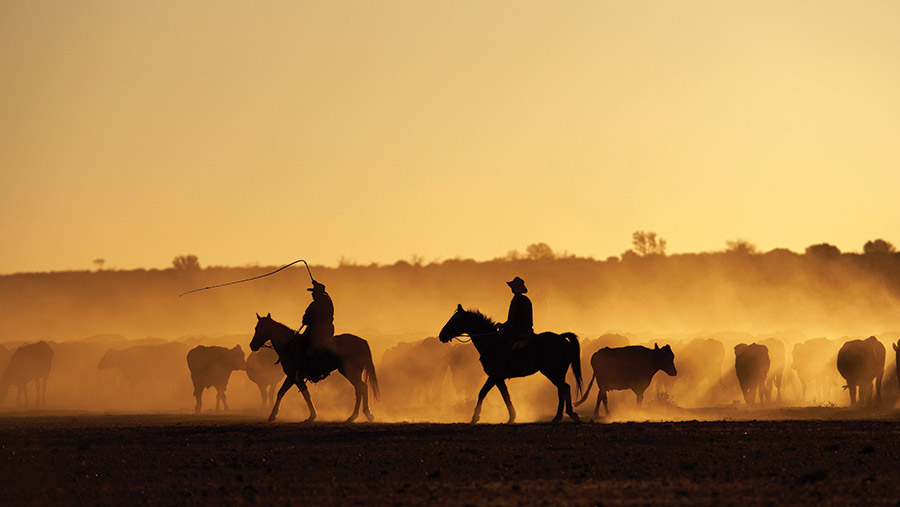
Anna Creek Station is reported to be the globe's largest standalone cattle holding and, according to Wikipedia, extends over 2.4m hectares. Add together in all the other properties owned by the company, and the business concern extends to more 11m hectares and also includes 170,000 head of cattle.
5. Prodimex, Russian federation
Operating beyond an centre-watering 570,000ha, Prodimex is believed to be the largest agribusiness operating in Russia.
It is a privately endemic company with a heavy emphasis on carbohydrate production. The company runs its own processing plants, which handle the sugar beet it grows across its arable ground. Overall, the business produces more than than twenty% of the total sugar produced in Russian federation.
6. Al Safi Dairy, Kingdom of saudi arabia
© Getty Images
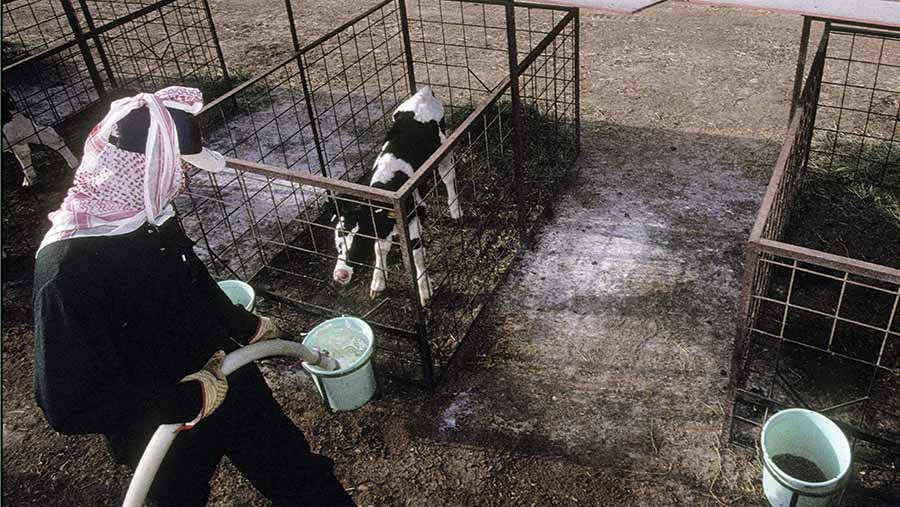
In 1998, the Al Safi Dairy entered the Guinness Globe Records as the largest integrated dairy farm in the world.
The business was established in 1979 by Majestic Prince Mohammed Bin Abdullah Al Faisal and is home to more than than 37,000 Holstein Friesian cattle, produces 700,000 litres of milk a day and a 1,400-strong workforce operates seven fully automated milking parlours.
In 2001, Al Safi entered a joint venture with French nutrient grouping Danone. Together, this partnership has secured a 36% share of the Saudi dairy market. The business organization is fully integrated in that it does everything from growing its own forage to processing and distributing the finish product.
vii. Ivolga, Russia and Kazakhstan
Ivolga is a farming conglomerate that was put on the marketplace in 2011 and was described at the time as the largest subcontract in the world.
It'due south non articulate exactly what has happened since, merely the visitor is known to yet exist farming at least 500,000ha in Russian federation, making it the state'due south second-largest land holding behind Prodimex (above).
At the time it was put on the market place it was said to be in control of 1.5m hectares across Russia and Kazakhstan.
© King/Shutterstock
And who has the biggest farms in the UK?
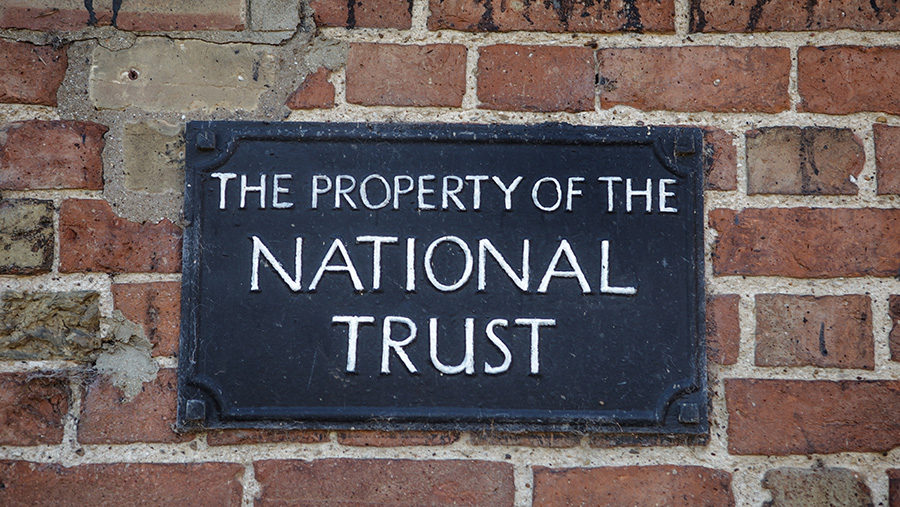
The National Trust owns more than than 250,000ha in England, Wales and Northern Ireland, of which 200,000ha is farmed.
Although the majority of this – 185,000ha – is farmed by tenants, this all the same leaves nearly xv,000ha farmed in-manus, managed past National Trust staff and graziers.
The Farmcare business, purchased by the Wellcome Trust for £249m in 2014, operates across 16,000ha, while inventor James Dyson, who farms as Beeswax, at present has virtually 12,000ha in-hand in Gloucestershire, Lincolnshire and Oxfordshire. The business has big-scale arable, forage, vining peas, and root production.
Source: https://www.fwi.co.uk/international-agriculture/7-biggest-farms-world
0 Response to "Biggest Beef Farm in the World"
Post a Comment